What certifications should a UK chocolate manufacturer have?

If you’re looking for a chocolate manufacturer in the UK, certifications can feel like a bit of a minefield. BRCGS, SALSA, HACCP, ISO, Fairtrade… what actually matters?
The short answer is: it depends on what you’re making, where you want to sell it and what claims you want to make.
Some standards are simply part of being a UK food manufacturer. Others become particularly important if you’re looking to supply supermarkets, major hospitality groups or other national retailers. And then there are certifications covering everything from organic chocolate to vegan, kosher and ethically sourced cocoa.
Here’s the useful version.
First things first: the legal stuff
Every UK chocolate manufacturer has to comply with UK food safety legislation. That includes the Food Safety Act 1990 and food hygiene requirements, as well as having an appropriate food safety management system based on HACCP (Hazard Analysis Critical Control Point) principles.
There are also specific rules governing chocolate itself.
The Cocoa and Chocolate Products Regulations 2003 set out what manufacturers can legally describe as chocolate, including requirements around cocoa solids, milk solids and certain other ingredients. In other words, you can't just make something brown, delicious and vaguely cocoa-based and call it chocolate. Side bar, Cadbury’s is not chocolate.
Manufacturing sites are also inspected by local authorities as part of the UK's food hygiene regime.
BRCGS: the big one for serious retail
If you're planning to get a chocolate product onto the shelves of a major UK retailer, BRCGS Food Safety certification is one of the standards you're likely to come across.
BRCGS is the ‘gold standard’; it sets rigorous requirements covering food safety, manufacturing processes, hygiene, traceability, quality management and much more.
For brands searching for a UK private-label or contract chocolate manufacturer, BRCGS certification is therefore a very useful thing to look for, particularly if you've got ambitions to scale.
At James Chocolates, for example, our Somerset factory operates to BRCGS AA* standard.
That means we're set up not just to make great chocolate, but to work within the food safety and quality systems expected by serious retail and commercial customers.
What about SALSA?
SALSA – Safe and Local Supplier Approval was designed specifically for smaller food and drink producers. It's a recognised food safety standard and can be a good fit for businesses supplying independent retailers, farm shops and smaller customers.
As companies grow and start working with larger retailers, however, they may find customers asking for standards such as BRCGS instead, so many manufacturers choose to get BRCGS accredited from the start.
ISO and FSSC 22000
You may also see chocolate manufacturers with ISO 22000 or FSSC 22000 certification.
These are internationally recognised food safety management standards and can be particularly relevant for manufacturers operating across international markets or supplying large global businesses.
They're not something every UK chocolate manufacturer needs, but they're another indication of a structured approach to food safety.
Then there's the cocoa...
Food safety is only part of the story.
Cocoa has a complicated global supply chain, so many brands now want to know much more about where their chocolate comes from and how its ingredients have been sourced. Depending on your product and brand positioning, you might therefore look for standards or sourcing programmes such as:
Fairtrade – focused on improving trading conditions and livelihoods for farmers and workers.
Rainforest Alliance – covering areas including farming practices, livelihoods, human rights and environmental sustainability.
Organic – if you want to sell your finished chocolate as organic, you'll need to meet the relevant UK organic rules and work within an approved certification system.
These aren't automatically necessary for every chocolate product. But if ethical or sustainable sourcing is central to your brand, they're worth discussing with your manufacturer right at the beginning of product development. Worth noting that the entire supply chain of ingredients needs to be certified which can add time and cost to your product launch.
Vegan, gluten-free, kosher and halal chocolate
Then we get into the certifications and controls that relate to a particular consumer group or markets. A manufacturer may be able to produce vegan chocolate, for example, but that doesn't necessarily mean every product or production environment carries a particular vegan certification. The same applies to gluten-free, kosher and halal chocolate. If one of these claims is important to your product, don't assume. Ask your manufacturer exactly what they can produce, what controls they have in place and which certifications apply to the site, ingredients and finished product.
It's a much better conversation to have before you've printed 10,000 wrappers.
So, which chocolate manufacturing certifications matter?
Rather than collecting certification logos for the sake of it, start with your end customer.
If you're developing a chocolate bar for a small independent retail range, your requirements may be very different from a brand hoping to sit on the shelves of a national supermarket.
Think about:
Where will the product be sold?
What standards will that retailer or customer expect?
Do you need organic or ethically certified cocoa
Are you making vegan, gluten-free, kosher or halal claims?
Will you eventually want to export?
How big could the product become?
The right chocolate manufacturing partner should be able to talk you through all of this before production begins.
And that's really the point of certification. It's not about collecting badges. It's about making sure your manufacturer has the systems, controls and supply chain in place to make your chocolate safely, consistently and at the scale your brand needs.
Looking for a UK chocolate manufacturer?
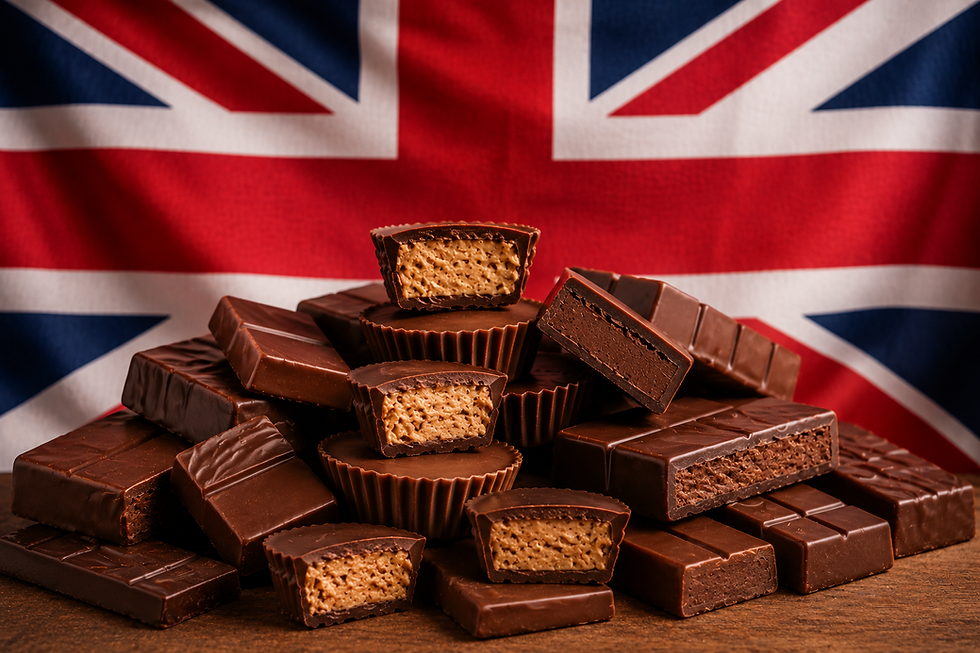
James Chocolates manufactures chocolate products for brands and retailers from our Somerset factory. We're BRCGS AA* accredited and can work with a wide range of product briefs, from chocolate bars and buttons to filled chocolates and nut butter cups, including vegan, organic and alternative-sugar options.
If you've got a chocolate product in mind, come and talk to us. We can help work out what you actually need, certifications, ingredients, manufacturing and all.


Comments